
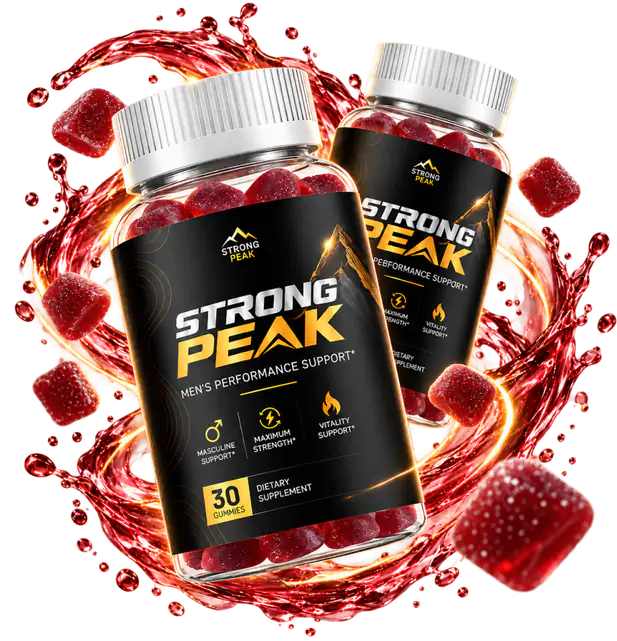
Strong Peak names L-citrulline, L-carnitine, Panax ginseng and maca as headline ingredients. The formula also names rhodiola, grape seed extract, zinc, vitamin B3 and vitamin B6. It is supplied as a gummy with a stated serving of one daily.
The ingredient list tells you which substances the product brings together. It does not by itself tell you how much of each is delivered, whether the preparation matches a study or whether the combination suits your medicines. Those questions require the complete current label.
Before ordering, request a readable Supplement Facts panel. Keep the named ingredient, amount, unit and preparation together. A familiar botanical photograph can help identify a theme, but it cannot replace the information needed to understand what a serving contains.
Start with the serving behind the numbers
An amount has meaning only when you know the serving it describes. Check whether the panel lists quantities per gummy, per serving or per daily intake. Do not compare a daily total from one product with a smaller serving from another and assume the numbers are equivalent.
Strong Peak's stated direction is one gummy daily. Follow the current bottle and ask about any inconsistency before using it. A serving instruction is not permission to increase the amount because you want a more noticeable result.
The dosage guide explains the routine questions. Keep that discussion alongside the formula, because the serving and ingredient amounts together describe what the intended use actually supplies. Neither the front label nor a short list of ingredients gives the whole picture.
L-citrulline: match the exact claim
L-citrulline is an amino acid included in performance-focused supplements. Its presence should prompt a specific research question rather than an automatic assumption about energy, exercise or sexual function. Different outcomes need different evidence.
A small human study indexed in PubMed examined oral L-citrulline in men with mild erectile dysfunction. That is not a study of Strong Peak, its complete gummy formula or every adult interested in daily wellness.
When reading a paper, compare the amount, participants, preparation and measured outcome with the label and claim. If you cannot make that match, keep the study as background. A scientific link is useful when it clarifies the limits of a claim, not when it is used to imply that every product containing the ingredient has the same effect.
L-carnitine: biological role and supplementation are separate
L-carnitine is involved in cellular energy processes. That role is a description of biology. It does not establish that additional carnitine in a mixed gummy improves how every person feels or performs.
For product comparison, look at the form and disclosed amount. Do not assume that any reference to carnitine means the same preparation was used in a study. Also avoid turning a role in energy metabolism into a promise of an immediate stimulant-like feeling.
The NCCIH guide to research claims helps separate explanations from demonstrated outcomes. If carnitine is the main reason you are considering Strong Peak, ask what evidence matches this formula and intended serving rather than accepting a general description as the answer.
Panax ginseng: species and extract matter
Panax ginseng is the botanical commonly discussed as Asian ginseng. The plant name is useful, but the preparation, amount and standardization still matter when comparing a product with research. Do not stop the comparison at the word ginseng.
NCCIH's Asian ginseng overview discusses small studies, mixed findings and safety considerations. Some evidence for general fatigue does not become a blanket claim about strength, stamina or every aspect of men's wellness.
Ask the seller for enough label detail to understand the preparation. Then show that information to a pharmacist if you take medicines. The seller can identify the product; the pharmacist can consider your actual routine. Those are complementary roles, and neither should be replaced by a broad assurance that botanical ingredients are familiar.
Maca root: interesting research has limits
Maca root is often included in men's wellness products. A systematic review of maca and sexual function provides research context, but its conclusions should not be transferred automatically to Strong Peak.
The useful comparison includes the preparation and amount. If the individual dose is not available, you cannot confidently establish that a gummy supplies the same exposure as a study. A plant's reputation is not a calculation of what this product delivers.
Keep the claim proportionate. Inclusion in a formula tells you maca is part of the composition. It does not prove a hormone change, a guaranteed improvement in sexual function or a specific result by a particular day. Those would require evidence directed at the exact outcome and product being discussed.
Rhodiola: do not substitute popularity for evidence
Rhodiola appears among the additional named ingredients. It is commonly discussed in wellness contexts, but a familiar reputation does not settle whether it produces a meaningful benefit in a particular formula.
The NCCIH rhodiola resource explains the limits of reliable evidence. Read that context before treating the ingredient as a confirmed solution for fatigue, stress or performance. A list of traditional uses and a clinical result are different kinds of information.
On the panel, record the botanical identity, extract and amount exactly as written. If the information is incomplete, ask the seller rather than completing it from another brand's label. That keeps the comparison anchored to the product you would actually receive instead of an imagined standard version of rhodiola.
Grape seed extract: keep the outcome specific
Grape seed extract contains plant compounds that have been studied for several health questions. Research about one outcome cannot automatically support a different outcome simply because both sound related to general wellness.
The NCCIH grape seed overview discusses findings and limitations for particular uses. It also highlights the relevance of medicines when considering herbal products. Use those points to prepare questions, not to infer a benefit that Strong Peak has not established.
If a sales page describes antioxidant support, ask what that means for the claim you care about. A broad biochemical description does not tell you how much the gummy supplies or what measurable change to expect. Clear ingredient information is useful precisely because it stops those different questions from being blended together.
Zinc deserves a total-routine check
Zinc is one of the named nutrients. If you already use a multivitamin or another men's supplement, check whether it also contains zinc. The combined routine matters more than the front-label category printed on each bottle.
Do not assume a nutrient is automatically more useful at a higher total intake. Nor should the presence of zinc be treated as proof that the product raises testosterone in people without a relevant deficiency. A specific hormone claim needs appropriate evidence and clinical context.
Bring the labels to a pharmacist when you need help comparing overlapping ingredients. Ask about the total amount and your circumstances rather than whether zinc is generally good. A precise question makes it easier to receive useful advice about the actual products in your routine.
Vitamins B3 and B6 do not make the formula self-explanatory
The named vitamins add another reason to read the panel rather than rely on a short benefits list. Identify the form, amount and unit. If you use other supplements, compare the overlapping vitamins across all of them.
A nutrient's involvement in normal metabolism should not be translated automatically into a promise that extra supplementation creates noticeable energy. Biological necessity and benefit from taking more are different propositions. The FDA supplement information provides a broader framework for informed decisions.
If the amount is unclear, ask before buying. Do not use the idea that vitamins are ordinary dietary components as a reason to ignore quantities. The product should be understandable at the intended serving, especially when it sits beside several other formulas in the same daily routine.
Other ingredients can matter just as much to you
Read the carrier, sweeteners, flavorings, colorings and allergen information on the current label. Do not invent a sugar-free, vegan or allergen-free claim from the appearance of the gummy or a botanical theme.
If you avoid a particular substance, ask the seller about that substance by name. A broad question such as is it clean can produce a broad reassurance without answering what you need to know. Request a clear response about the current formulation.
The Strong Peak Gummies guide covers format preferences. A formula can look appealing while still containing an ingredient you personally need to avoid. That issue should be resolved before price comparison, because a larger discount does not make a mismatched product suitable.
How to ask for missing information
A useful message asks for a current label image and identifies the missing fact. For example: please confirm the amount of L-citrulline per daily serving and the exact ginseng extract listed on the panel. That question can be answered with product information.
A question about whether the blend is powerful invites a different kind of answer, often another sales description. Replace vague language with an identifiable detail. Keep the response with the panel so that the information remains attached to the correct product.
If the seller cannot provide what you need, do not substitute another brand's formula. The limit remains a limit. Your decision can reasonably reflect that uncertainty without jumping to either a positive effectiveness verdict or an unsupported accusation about the product.
Take the full formula to a professional review
A pharmacist can do more with a readable label than with a list of advertised benefits. Include medicines, occasional products and all other supplements. Tell them about any condition or previous reaction relevant to the assessment.
The side effects guide helps organize those questions. Do not assume that moving the gummy to another time of day removes every possible interaction. Timing is a specific question about a specific combination, not a universal solution.
If more product information is needed, obtain it before starting. A request for clarification is a useful outcome because it identifies what prevents a confident assessment. It is not an obstacle to work around by finding a more reassuring comment elsewhere.
Do not infer an ingredient amount from its picture
A large photograph or prominent heading is a design choice, not a measurement. The order of pictures on a homepage should not be used to estimate which ingredient contributes the greatest amount. Use the actual panel for the information it provides.
The same applies to extract comparisons. If another product advertises a ratio or standardized compound, do not create an equivalent amount for Strong Peak without the details needed for a meaningful comparison. Impressive arithmetic cannot repair an unknown starting point.
Record each product exactly as described and identify where the information stops. A blank in a comparison is more accurate than an invented dose. This is especially useful when showing several products to a pharmacist, because they can see both the confirmed formula facts and the unanswered questions rather than having to undo assumptions embedded in your notes.
Keep label facts attached to the correct purchase
When you receive a new bottle, compare its panel with the information you used when deciding to buy. Check the product name, directions and ingredients. If there is a material difference, ask the seller before continuing the previous routine.
Keep older images as a comparison record, not as permanent authority over every later bottle. The relevant formula is the one actually supplied. A brand name can remain familiar while other product details deserve a fresh check.
This habit is also useful when a professional reviews the product. Give them the current panel and explain any difference you noticed. A clear record of the actual formulation supports a more useful conversation than a generic list saved from an earlier search. The goal is reliable identification and an understood formula, not simply familiarity with the packaging.
Let the ingredient facts lead the decision
Once the formula is clear, summarize what you know and what remains uncertain. You should be able to identify the supplement, its intended serving and the ingredient details that matter to your decision without relying on slogans.
Read the benefits guide and evidence guide if you want to assess a specific claim. Return to the homepage or price comparison only after the product itself makes sense.
The ingredient list should help you decide whether to purchase at all before it helps you decide how many bottles to order. A clear panel, proportionate expectations and an appropriate suitability check are more useful than a long list of familiar names with one benefit assigned to each.
Review the current offer.
Check the complete label, compare package totals and read the seller’s current terms before paying.
Visit Official Website Back to the package comparison