
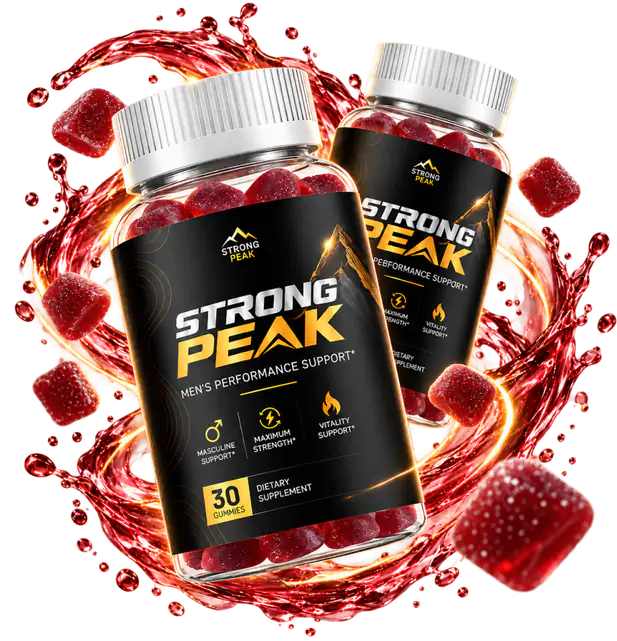
Strong Peak contains multiple nutrients and botanicals in a daily gummy. Its format may be familiar, but the relevant safety question is specific: does this complete formula fit your medicines, health history and other supplements?
There is no measured Strong Peak side-effect rate established here. Ingredient-level cautions are useful for preparing a conversation, but they do not prove that every possible effect associated with an ingredient occurs with this finished product. The opposite claim, that a familiar formula has no possible side effects, would also go beyond the information.
Start with a readable current Supplement Facts panel. Include serving directions, other ingredients and warnings. If you take medicines or have a medical condition, bring the complete information to a pharmacist or clinician before starting rather than relying on a general reassurance from an advertisement.
Assess the whole routine, not one bottle at a time
Write down prescription medicines, nonprescription products and every supplement you use. Include occasional items, because a pharmacist cannot assess a combination that is missing from the list. Different product categories can contain overlapping ingredients.
A multivitamin, an energy gummy and a men's formula may look unrelated while contributing some of the same nutrients or botanicals. Do not assume the front-label purpose makes them separate from a safety perspective.
The FDA supplement consumer information encourages informed use with appropriate professional advice. Our ingredients guide helps organize the formula questions. Bring the panel itself, not just a memory of four headline names.
Ginseng needs attention alongside medicines
Panax ginseng is one of Strong Peak's named ingredients. NCCIH's Asian ginseng resource discusses medicine interactions and safety considerations. It also notes possible effects on blood sugar and blood clotting.
That does not allow an online article to assess your treatment individually. Tell a pharmacist exactly what you use and ask about the complete combination. If a medicine or condition is relevant, identify it rather than asking only whether ginseng is natural.
Do not respond to an interaction concern by reducing prescribed treatment yourself. Nor should you assume that taking the gummy at a different hour removes every possible issue. A timing strategy is a specific clinical question, not a universal answer that can be applied to every medicine.
Sleep changes deserve a clear description
NCCIH identifies insomnia as a common side effect of Asian ginseng. That is an ingredient-level caution, not a measured Strong Peak rate or a prediction that it will happen to every user.
If sleep changes after you introduce a product, record the timing and other changes in your routine. Bring that information to an appropriate professional when needed. Do not dismiss a persistent problem as proof that the supplement is energizing you successfully.
Avoid creating a dose experiment to settle the question at home. Taking extra, changing several products or repeatedly restarting can make the picture more confusing. The useful next step is a clear account of what you used and what happened, followed by appropriate advice about your circumstances.
Rhodiola adds another reason to review the blend
Rhodiola is among the additional named components. The NCCIH rhodiola overview discusses limited evidence and safety information. Its presence should be included in the medication review rather than ignored because it is not one of the largest pictures on the homepage.
Ask the seller for the exact preparation and amount if the panel does not make them clear. Missing information limits what a professional can assess. A general claim about a carefully chosen blend does not supply the missing detail.
Do not assume that combining botanicals makes each one less relevant. A mixed formula needs to be assessed as a combination, and the person reviewing it should know every listed ingredient. Popularity is not a substitute for product-specific information or individual advice.
Grape seed extract belongs on the list too
Grape seed extract is another botanical named in Strong Peak. NCCIH's grape seed information advises discussing herbal products with a healthcare provider when medicines are involved.
Keep the question specific to the product and your routine. A description of plant compounds does not establish the dose you receive or whether the blend fits another treatment. A front-label photograph is insufficient if the full panel contains additional relevant ingredients.
The same discipline applies to maca and the rest of the formula. Do not rank safety relevance by how familiar a name sounds or how prominently it is displayed. Bring the complete label and allow the assessment to focus on the actual combination rather than an edited list of appealing ingredients.
Nutrient overlap can be easy to miss
Zinc and vitamins B3 and B6 are among the named nutrients. If they appear in other products you use, compare the amounts across the full routine with appropriate advice. Counting bottles is less useful than understanding what each serving contributes.
Do not assume that extra amounts must be beneficial because the substances are vitamins or minerals. Equally, do not assume an overlap is automatically harmful without considering the actual quantities. The label is needed to make the question meaningful.
Ask a pharmacist to help if several panels are difficult to compare. A clear list of products and amounts is more useful than a broad question about whether men's supplements are safe. It also makes later changes easier to review when you add, stop or replace a product.
Allergens and other ingredients matter
Read the current panel for sweeteners, flavorings, carriers and allergen information. Do not infer that a gummy is sugar-free, vegan or free from a particular allergen because it uses botanical imagery or a wellness description.
If a specific ingredient must be avoided, ask the seller about that ingredient by name. Keep the response with the label. A broad assurance that the formula is clean or natural is not a precise answer to an allergy question.
Seek emergency help for severe allergic symptoms such as breathing difficulty or swelling affecting the airway. Less dramatic symptoms can still deserve professional advice when persistent or concerning. Do not describe a reaction as detox or an adjustment that must be endured in order for the product to work.
Younger users and other people's bottles
Strong Peak is presented for adult men. Do not give it to a child or adjust the adult serving yourself for a younger person. A gummy format does not make it ordinary confectionery or establish suitability for every family member.
Keep the bottle out of children's reach and in its original labeled container. Do not share a serving casually because someone else feels tired or is curious about the product. Their medicines and circumstances may differ from yours.
The Gummies guide covers practical handling. A straightforward routine should also make the product's identity clear to everyone in the household. Familiar packaging can make a supplement seem routine, but that familiarity is not a reason to remove the label or treat it as a snack.
Product condition is a separate safety question
Check the seal, label, expiry information and visible condition when the order arrives. If a bottle is damaged or the contents appear questionable, contact the seller before use. Taking a smaller serving does not resolve an uncertainty about product condition.
Keep photographs and packaging while the issue is investigated. A clear record helps support identify the order and appropriate next step. Do not rely on a generic website image to describe the exact bottle delivered to you.
The where to buy guide covers arrival checks. Those steps do not prove effectiveness, but they help ensure that you are considering the correct, identifiable product rather than making assumptions about an unclear or compromised item.
If you notice a possible reaction
Stop using the product and seek appropriate medical advice if you suspect a serious reaction. Provide the label, amount, timing and other products used. Severe symptoms need urgent care rather than an online interpretation.
The FDA supplement reporting guide explains how to report suspected serious reactions. A report can describe what happened without pretending that the cause has already been established beyond doubt.
Do not deliberately take another serving to prove the connection. A repeat exposure is not required before you can ask for help. Contacting the retailer about a refund is a separate task; it should not become the place where you wait for a medical decision.
Keep a record that helps an assessment
Write the date, time, amount and symptom description. Include any medicine, supplement or routine change around the same period. Retain the bottle and batch information where available. These details can be more useful than a vague account based on memory.
Keep the record private when it contains health information. A public review does not need your complete medical history or identifying order details. Healthcare professionals and appropriate reporting channels can receive the information relevant to their role.
The customer complaints guide explains how to separate service communication from health concerns. You can pursue both without turning a payment issue into a medical conclusion or waiting for a seller to approve your decision to seek care.
Revisit suitability when circumstances change
An earlier conversation about a supplement does not automatically cover a new medicine, diagnosis or treatment change. Tell your healthcare team what you currently use, including products that have become so familiar you no longer think to mention them.
Check the current panel when you reorder. If ingredients or directions appear different, ask before treating the new bottle as identical. Keep older information as a comparison record rather than permanent permission attached to a brand name.
The dosage guide explains the stated routine, but a clear serving cannot make an unsuitable combination suitable. The relevant assessment concerns the current person, current formula and current treatment, not simply the fact that the bottle was tolerated at another time.
Prepare a focused question for a pharmacist
Gather readable labels for all the products you use and add Strong Peak as something you are considering. Write down the medicine or concern that matters most. A question about the exact combination is more useful than asking whether a broad category of men's supplements is safe.
If the pharmacist needs an ingredient amount or extract detail that is missing, obtain it from the seller before proceeding. The request identifies a real information gap. Do not work around it by finding a more reassuring sentence on another sales page.
Keep the advice with your product notes and revisit it when medicines, conditions or the formulation change. This creates a clear record without turning the conversation into a permanent approval attached to a brand. The relevant assessment concerns the current product and person, including the information available at that time. An optional purchase can wait while those details are resolved.
Familiarity is not a measurement of risk
An ingredient can have a familiar name and still require attention in a concentrated mixed supplement. Recognition describes how comfortable the name feels; it does not measure the amount, preparation or interaction potential of the actual product.
Avoid using ordinary food comparisons to settle the question. A botanical extract in a gummy is not automatically equivalent to eating a food associated with the plant. The product should be assessed in the form and serving supplied, with the complete panel available.
The opposite shortcut is unhelpful too: an ingredient caution does not prove the finished product is dangerous for every adult. Keep the assessment specific and proportionate. Identify the formula, discuss the relevant concern and decide whether the available information is sufficient for you. Broad reassurance and broad alarm can both leave the actual question unanswered. Clear product information and an appropriate individual review are more useful than either extreme.
Keep the purchase decision in the right order
First identify the complete product. Then resolve suitability questions. Only after that should you compare package quantities and prices. A low unit price cannot repair a missing label or answer a question about a medicine combination.
The seller's 60-day satisfaction promise concerns returns. It does not prevent an interaction or establish that a formula is appropriate for you. Read the refund guide for the transaction process and the review for the broader assessment.
Return to the homepage when the important questions are clear. If a material uncertainty remains, pause. A sensible supplement decision should not require you to ignore your own health context in order to take advantage of a commercial offer.
Review the current offer.
Check the complete label, compare package totals and read the seller’s current terms before paying.
Visit Official Website Back to the package comparison