
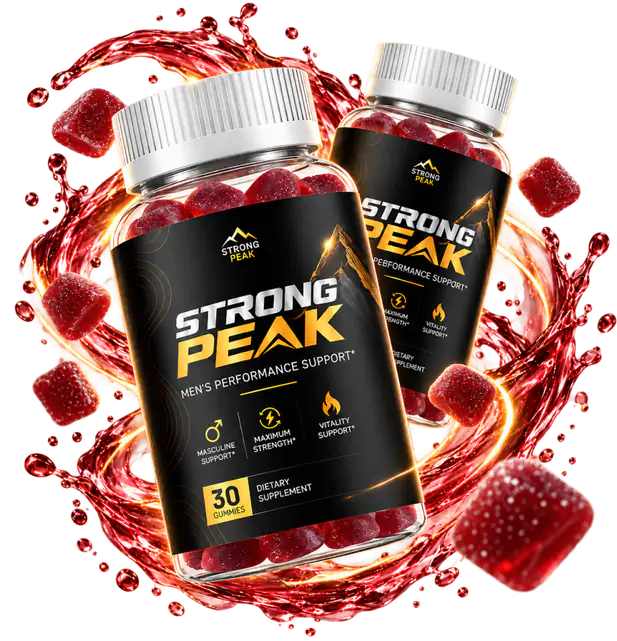
Strong Peak's seller offers a 60-day satisfaction promise from the original purchase date. Read the complete current policy before paying and keep it with your order confirmation. A short guarantee badge cannot explain every requirement that may apply to a return.
A refund process can involve several separate steps: contacting support, receiving instructions, returning the required items and checking the resulting payment. Knowing the process before you need it is easier than reconstructing it near a deadline.
This guide explains how to keep the purchase record clear and which questions to resolve. Confirm the return address, refundable costs and instructions with the seller or retailer for your actual order. Do not assume an address or condition from an unrelated review applies to the transaction you made.
Count the window from the stated starting point
The promise uses the original purchase date. Delivery, first use and the day you decide the product does not fit are different dates. Do not substitute one for another without a clear policy basis.
Save the receipt and record the purchase date. If the current checkout presents different wording, keep that version and ask the retailer how it applies. A written clarification can prevent a later disagreement based on different assumptions.
The price guide also separates package supply from return length. A two-bottle package is described as 60 days of supply, but that does not mean every use day will fall inside a window that may have started before delivery. Keep the actual dates visible.
Read detailed conditions before ordering
Look for instructions about opened bottles, unused bottles, packaging, authorization, deadlines and costs. These are questions to answer, not conditions to invent. If a point would change your willingness to buy, resolve it before paying.
The FTC online shopping resource recommends reviewing return policies and keeping records. Save the terms shown at checkout rather than assuming a page will remain unchanged indefinitely.
If you cannot find the details or obtain a clear response, pause the purchase. A satisfaction promise should be understandable enough to inform a decision. You should not need to buy the product first to discover the basic process for requesting a return.
Larger quantities do not create longer protection
The six-bottle package is described as 180 days of supply. The seller's promise is 60 days from the original purchase date. Those statements describe separate aspects of the order, and the larger supply does not automatically extend the window.
Do not assume you can use the entire six-bottle quantity and then make a request under the same 60-day wording. Ask the retailer to clarify anything central to your purchase rather than relying on a general statement about giving the formula time.
The full Strong Peak review considers the broader decision. Read supply and policy timelines together before deciding that a larger package carries the same practical commitment as a smaller purchase. A lower unit price does not erase the importance of the return conditions.
Start with the contact route on your receipt
The order confirmation connects the purchase with the retailer that processed it. Use its support details rather than a random address found through a search or an old comment. Different business addresses can serve different purposes.
Include the order number privately, along with the purchase date and a clear statement of what you need. Do not send a complete payment-card number in an ordinary support email. The reference on the receipt should allow an initial inquiry without that information.
If the confirmation is missing, check the email account used at checkout and its spam folder. Then ask how to locate the order. Placing a second order to obtain a new confirmation can create another transaction without resolving the first question.
Make the refund request specific
A concise request identifies the purchase and asks for instructions under the applicable satisfaction promise. State whether you want a refund, replacement or clarification, rather than describing dissatisfaction without a desired next step.
Ask which items must be returned, whether an authorization is needed and which deadline matters. If support answers only part of the question, follow up in the same thread with the missing detail.
The customer complaints guide explains how to organize service communication. You can be polite and firm without unsupported accusations. Clear dates and a clear request give the retailer a practical issue to handle and give you a record that remains understandable later.
Confirm the return destination in writing
Do not mail bottles to an address copied from a footer, payment descriptor or third-party page without confirming it is the correct return location for your order. A company address is not necessarily a returns facility.
Ask whether a reference must appear inside or outside the parcel and what contents are required. Confirm whether opened, unused or empty bottles are treated differently under the applicable policy. Use the current instructions for your purchase.
Keep the answer with the receipt. If another message gives conflicting directions, seek clarification before shipping. Sending a parcel quickly is useful only when it goes to the right destination with the information needed to connect it to the order.
Record what you return
Before sealing the parcel, make a factual record of the contents and relevant product details. Keep any authorization and shipping receipt. If tracking is used, retain the reference until the matter is fully resolved.
Tracking is one part of the record, not proof that every condition has been met. The retailer still needs to identify the purchase and process the request. That is why contents, order references and written instructions matter alongside delivery information.
A clear record supports a useful follow-up: the return was delivered on a stated date; what is the current stage and next step? That is more effective than repeatedly sending the original complaint without explaining what has happened since the instructions were received.
Ask what amount is being refunded
If the request is approved, confirm the amount and what it includes. Product cost, original shipping, return shipping and any other charge may be treated differently under the applicable terms. Do not assume every cost is automatically recoverable.
Ask which payment method receives the credit and what processing information the retailer provides. Avoid inventing a universal refund timeframe. Keep any estimate so you know when a follow-up question becomes relevant.
Compare the eventual credit with the written explanation. If the amount differs, ask about the specific figures. A numerical question supported by the receipt is easier to investigate than a general statement that the refund is wrong without the order details or expected amount.
Keep medical concerns on a separate track
If you suspect a reaction, seek appropriate healthcare advice first. The retailer handles the transaction; it cannot replace a clinician's assessment of symptoms, ingredients and medicines. Keep the label available for that discussion.
The FDA supplement problem-reporting guide explains how suspected serious reactions can be reported. Reporting a concern and requesting a refund are separate tasks, and neither should delay care.
Our side effects guide discusses ingredient-related questions. Do not keep using a product simply because you think you must finish enough of it to justify dissatisfaction. Health decisions should follow appropriate advice, while return decisions follow the applicable process.
Distinguish each stage of the process
A return authorization is not a completed refund. Shipping the parcel is another event, and delivery is another. A credit appearing through the payment method is a later step. Keep those stages separate in your notes.
That structure helps you ask the right question. Before shipping, you may need an address. After delivery, you may need confirmation that the order was identified. After approval, you may need clarification of amount or payment timing.
Avoid restarting several unrelated conversations if a single clear thread can preserve the sequence. A short summary of completed steps is often more useful than forwarding a large collection of messages without identifying the unresolved issue. The aim is to locate the current stage and the action needed to move it forward.
If the response is unclear or delayed
Summarize the purchase date, request date, instructions and actions completed. Include relevant references and ask for the status and specific next step. Keep the message factual rather than guessing why the delay occurred.
Preserve any payment-provider deadlines that may be relevant to your circumstances. Your provider can explain the process for a disputed charge or unresolved transaction. Describe the actual issue accurately rather than calling an authorized purchase unauthorized simply because you are dissatisfied.
The FTC shopping guide provides general consumer context. A retailer inquiry, non-delivery question and unfamiliar charge are different matters. Use the category that matches what happened so that the person handling the request can assess the correct problem.
Preserve the policy without turning every question into a dispute
A saved policy helps establish what was presented when you bought. If later instructions appear inconsistent, ask support to explain the difference using the relevant wording. There may be a misunderstanding about the date, package or retailer.
A clear question can identify that issue without immediately assuming bad intent. If the response still does not resolve it, your organized record is useful when seeking further guidance through the appropriate channel.
Keep claims proportionate to what you can document. A strong complaint does not need an invented health effect or an exaggerated accusation. It needs a transaction, a relevant promise, a clear sequence and an unresolved point. That structure remains useful regardless of whether the eventual outcome is a refund, replacement or another explanation.
Learn from the first purchase before ordering again
If you returned Strong Peak because of missing information, unclear directions or an unresolved suitability issue, address that reason before buying again. A new package offer does not answer the question that prevented the first purchase from fitting.
If the issue was service, consider the documented outcome. Did the retailer explain the process and provide a result you understand? Use that experience as information rather than as pressure to reach either an overly favorable or overly negative verdict.
Read where to buy Strong Peak and the official website guide for purchasing checks. Formula, service and price each need attention. One positive feature should not hide a material issue that remains unresolved elsewhere in the decision.
Use a concise first-request example
A clear private message can say that you purchased a stated Strong Peak package on the date shown in the receipt and would like instructions for a refund under the applicable satisfaction promise. Ask for the required contents, authorization, destination and deadline.
Add the order reference in the support channel, not in a public review. Avoid unnecessary payment or medical details. If a health concern is involved, seek appropriate care separately and give support only the transaction information needed for the request.
This wording does not assume approval or invent a condition. It identifies the purchase and asks the retailer to explain the process. After the reply, compare it with the saved policy and seek clarification of any inconsistency before sending the return. A short, accurate request is easier to use than a long message whose desired outcome is unclear.
Keep one record from purchase to resolution
Organize the receipt, policy, first request, instructions, return details and eventual outcome in the same place. The record can be simple. Its value is that each event has a date and a relevant document attached.
This makes follow-up easier because you can identify the current stage instead of retelling the whole story from memory. It also helps separate a missing reply from an instruction that has already been supplied but not yet acted on.
When the matter is resolved, record the result and any amount credited. If you later review the experience, describe the complete sequence without exposing private details. A useful account can acknowledge an initial problem and a satisfactory resolution, or a remaining issue, without exaggerating either. Clear documentation is valuable because it keeps the conclusion tied to what actually happened.
Prepare the record before checkout
Before purchasing, know the starting date, contact route and location of the full conditions. After purchasing, keep the receipt, policy and correspondence together. These are ordinary preparation steps, not a prediction that the product will need returning.
Return to the homepage for the package comparison and the review for the broader product information. A purchase is easier to assess when you understand both the formula and transaction before authorizing payment.
If the current terms are clear and the product fits your circumstances, you can decide whether the commitment is worthwhile. If an important return condition remains unclear, waiting for the answer is more sensible than treating a short badge as complete protection.
Review the current offer.
Check the complete label, compare package totals and read the seller’s current terms before paying.
Visit Official Website Back to the package comparison